This is my perch this time of year…behind & slightly to the right of the camera. Shooting television wraps in the fall is my favorite!

This is my perch this time of year…behind & slightly to the right of the camera. Shooting television wraps in the fall is my favorite!
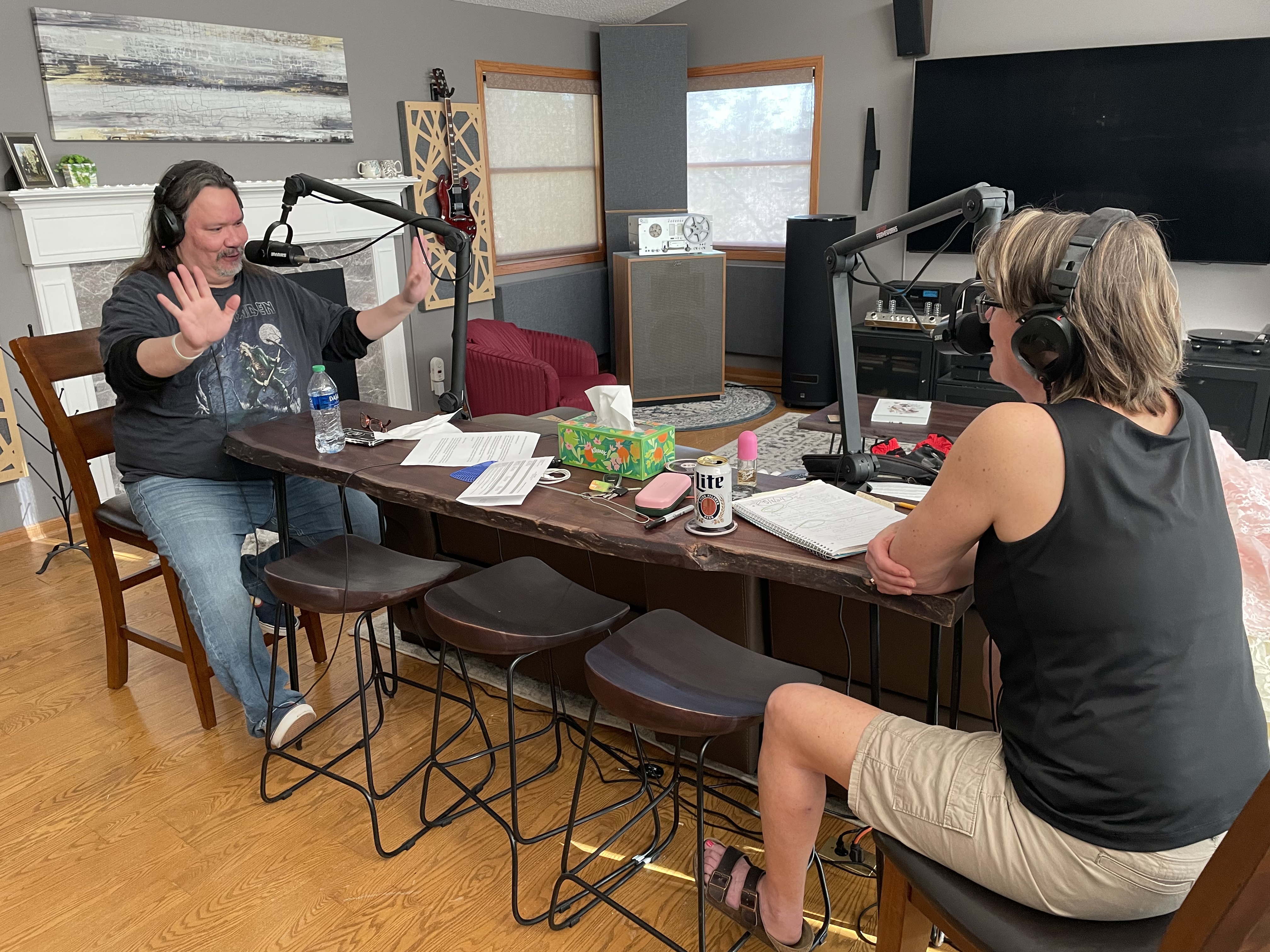
Sci Fi 80’s Movies! Bamba & KJ LOVE Sci Fi…and we highlight some of our favs with special guest, Pete Hermann-Franzen (aka: Pistol Pete), award-winning photojournalist and fellow Gen X-er!
https://podcasts.apple.com/us/podcast/latchkey-logic-generation-x/id1739822510
Malls were Gen X’s social media!
Is it too early to start thinking about Halloween yet? The answer….(from me and my sister anyway)…is a BIG no! SCORE on finding these at SVJ in Wabasha, MN! https://svjcreativedesigns.com/?fbclid=IwZXh0bgNhZW0CMTAAAR3MM6kWozoIFI8r30c5vy4BGMlWMQLnVbzjjCmU5XC6GrhiO3d5NQddVmk_aem_ATFAhGAmS4r1_6AiZIp7l8Q-6mRIetRHrzuabM09ggG53NcTJBt7CCATXJRXtND2BrWC8xx7yDj16hFX-Qq5PCMT
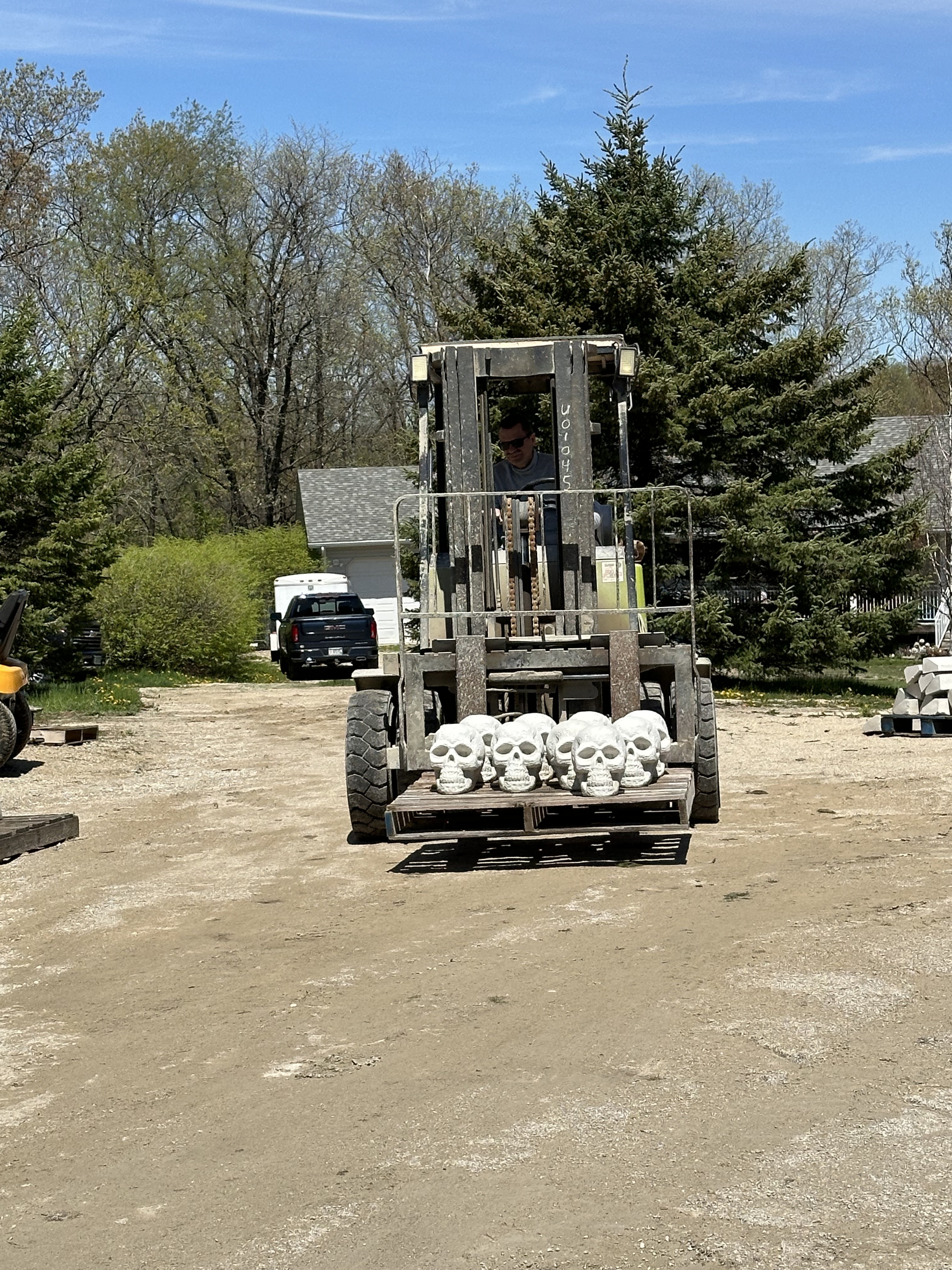
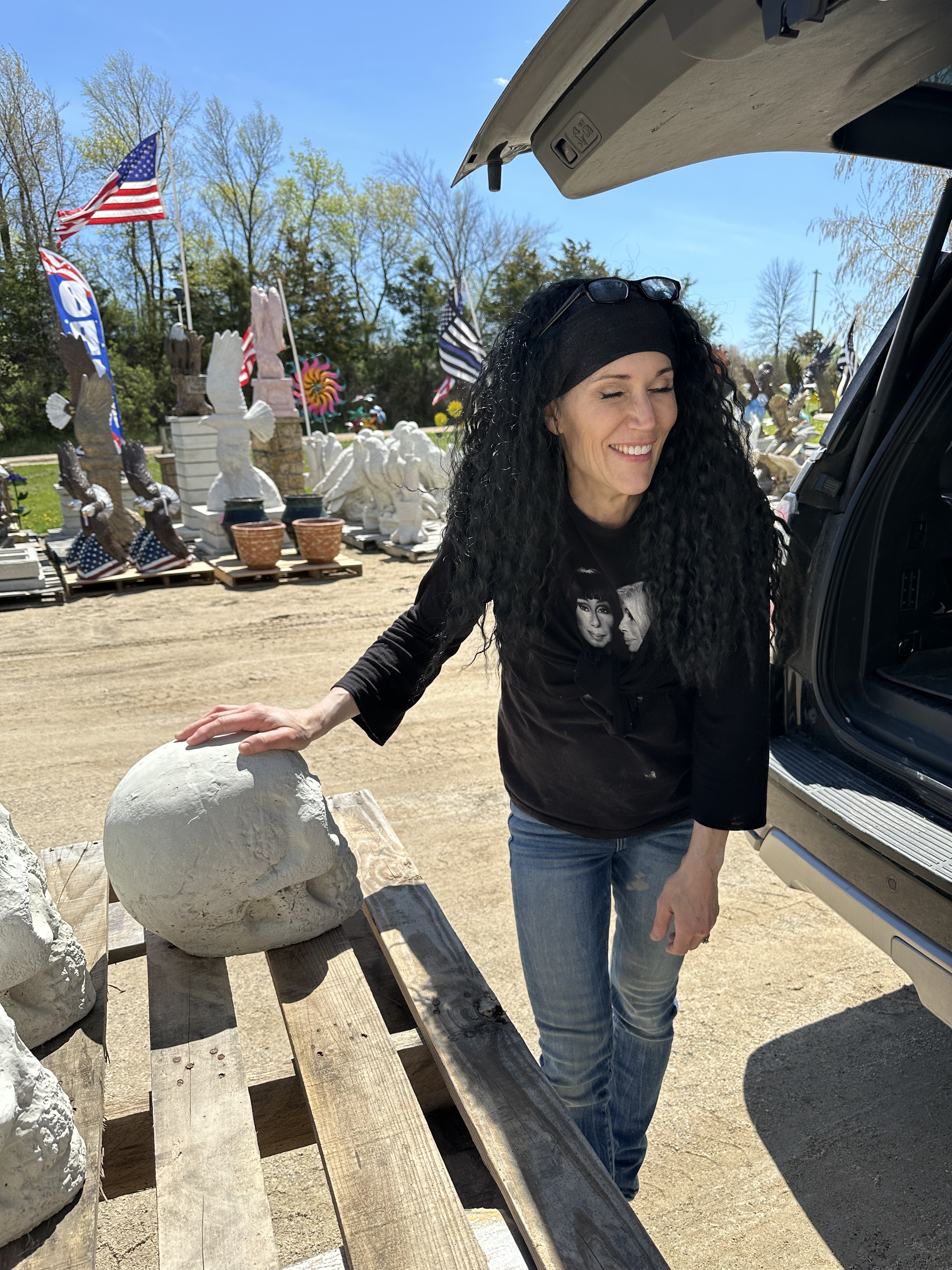
My sister, Vienne Cordet (owner of Iron Bridge Art & Clay in Wabasha) loading up the skulls!
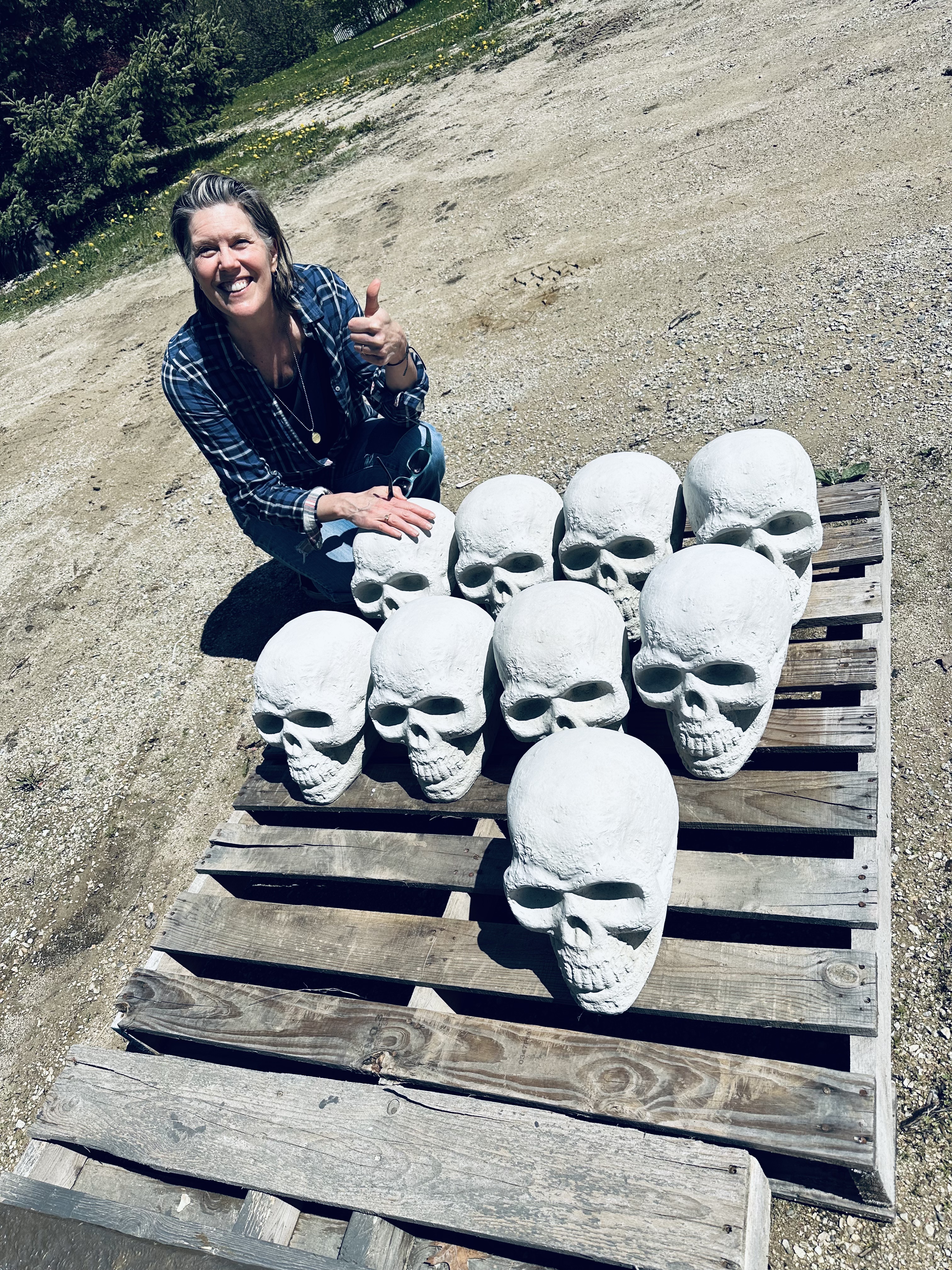
Me & the Skulls”….That sounds like the beginning of a book…a twisted one.
I am a textbook Gen-Xer. Born in 1970, I’m a solid Gen X-er. So I was all over it when by friend, Bamba, came up with an idea to do a Generation X Podcast of some sort….we launched “Latchkey Logic” (Nostalgic Stings from Gen X Things) Kudos to Cy Dodson and Triumph Pictures studios, where we record! We have two under our belt, and hope to drop one a week (as Cy’s travel schedule allows).
Listen to us anywhere you listen to podcasts! (we should be easy to find)
Please drop me ideas and fun comments about what you think! We SO welcome any and all!
https://www.facebook.com/profile.php?id=61557752381901
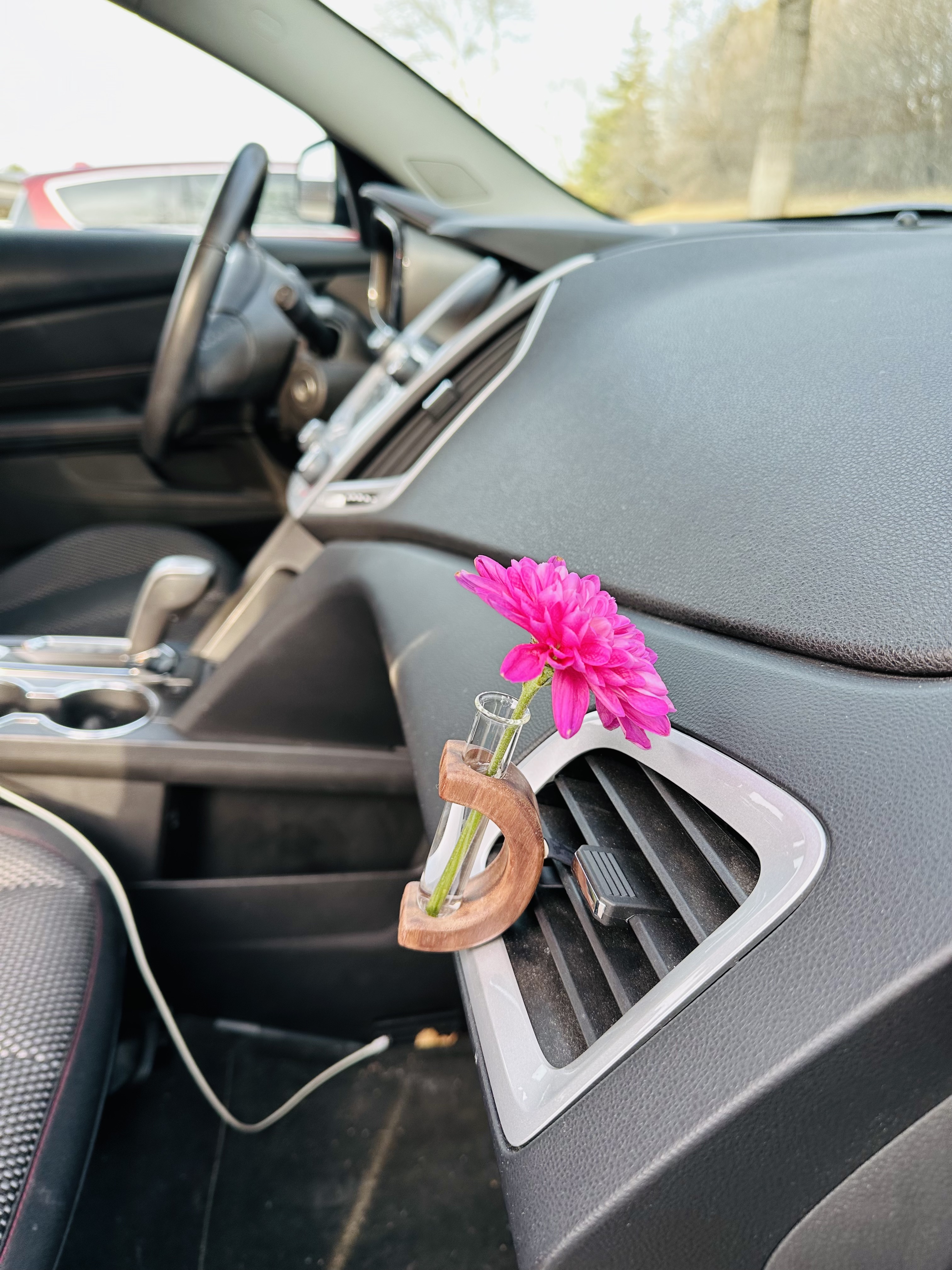
As I grow older, I find the “little things” make me happy. I started getting into Erin Benzakein’s Magnolia show “Growing Floret” & reading her blog…I had forgotten how much flowers bring me joy. Just one little flower in my car. I gaze at it when I drive to work in the morning, and it’s the first thing I see on the drive home at the end of the day. Maybe it will summon the energy to ‘spring clean’ my truck now. Time will tell.
I crank out a lot of scripts with my day job, but every now and then a “favorite” pops on my radar. Mary Jo Hoffman, and her “Still Life” story is one of my favorites. Such a wonderful creative life and message! And her new book, Still Life, is just coming out this spring, 2024. I’m in line to get it! So inspiring!

I grew up a coach’s kid. Our family activities revolved around sports. The majority of my time was spent at a small Iowa gym, and having to shoot 10 free throws in a row before I could come in the house and eat dinner was standard protocol. Even the families we hung out with were other coaches. It was the norm.
It wasn’t until my Father, who is in the Iowa Coach’s Hall of Fame, passed away in 2012, that it hit me. As I gazed at the massive visitation line, I was struck with how many people came up to me with a story to share about “Coach McDonnell”. Each story was heartfelt, and I could tell he had made a huge impact on their childhood. My Father always said good coaches are what make the difference at a young age. But what makes a “good” coach, really? And what is it about a good coach that makes adults remember their coaching for years after the fact.
We’re not talking about coaches like Bear Bryant. This is about the youth coaches that are introducing our kids to the sport they want to play – in short, usually their first coach. We as parents know that coaches and sports in general can be enormously influential in the lives of our kids. Involvement in sports helps with physical fitness, teamwork skills and discipline. According to Safe Kids USA, there’s over 38 million kids engaged in some form of sports each year, and almost 75 percent of American households with school-age children have at least one student athlete. Yet, this athletic involvement comes with its own challenges, chief among them, coaches and parents being too competitive. Translation – the sports can stop being fun. How do coaches, along with parents, walk the fine line? How do coaches ‘level the playing field’ so to speak.
Coaches are known for being able to handle pressure. Whether you are on the sidelines of a NFL team, or your son or daughter’s youth soccer team, the pressures are there. And the similarities of all “good coaches” are there, as well, especially the ones that thrive despite the pressures. Everyone will have a slightly different answer to the question “what makes a good coach for my kid?” but similar theme’s rise to the top when talking to both parents and coaches. Being positive and making the sport fun are at the top of the list, as well as being able to develop confidence in every player.
Lori Juhl, mother of a traveling basketball player in the Centennial School System in Lino Lakes, and “team mom”, said a strong coach analyzes each individual player and tries to develop those that are perhaps less talented than the others. “It’s important to keep the team motivated, and be encouraging to the players, not negative,” she said, “coaches can point out the bad, but need to stay focused on the positive. A good coach knows the limitations and ability of each child.”
Brent Cuttell, former President of Cottage Grove’s Youth Football, and youth football coach, said it’s imperative to remember that this is usually the first time that a child is being exposed to a sport. ”You have to understand and say wait a minute, I’m more than a coach,” he explains, “and it’s not about the x’s and o’s, and not about if the kid is the next Walter Peyton or Peyton Manning. Maybe the best thing that happens to this kid is that he starts the whole season, or that he just has fun, or that he improves. I think at a young age, the most important approach is to create a positive environment. The kid should want to play the next season.”
Steve Eckes, current board member for the Andover Baseball association, and youth baseball coach and father, has similar views. “Kids at this age, they don’t come pre-packaged with a perfect baseball swing, every kid is different with different personalities. If you can’t connect with them, you won’t be able to make them understand. You have to talk with them at their level, get down on your knee and talk face to face and be their friend. They have to understand that you care about their development, and that means getting down to their level.”
Connecting with younger kids can be tricky, whether you’re a coach or not. And the most basic skill of taking charge and having a plan can sometimes be the most difficult for a beginner coach. All seasoned coaches agreed across the board: make sure your practices are organized and you have a clear plan. “What I learned is, you should have your drills no longer in minutes than the age of the group your teaching,” said Cuttell, “if your coaching 9 and 10 year-olds, you can’t put in a drill of 20 minutes. They are going to lose focus. Keep the drills short and effective and keep it active, that’s what the kids want. Long, drawn out practices and drills probably have a negative, more than a positive impact.” Eckes also keeps drills short and sweet. “Kids don’t want to stand in line, and kids get frustrated if they aren’t busy. They are there to have fun, not become Derek Jeter. What I see when I see some coaches fail, is going into game mode; showing them the game without the fundamentals. Keep it like gym class, that’s what they like.”
Scott Fransen, who coaches girl’s youth B.B. in Minnetonka, explained repetition is very important, in order to build an understanding. “You have to be consistent with your message,” he said, “girls don’t like to be singled out, whether it’s for praise or trying to teach them something. For girls, the experience is equal part sports, to social interaction. Have a plan when you go into the practice, and remember that you’re trying to prepare them for the next level, and hopefully, to develop a love of the sport in general. Have fun, and there always needs to be a lot of praise, a lot of recognition and high-fiving.”
But how about the parent or team that gets the coach who doesn’t high five or praise, but tends to be a “yeller”. Just as there are similar threads to what defines a “good” coach, there are similarities that go the other way, as well. Parents agree: effective coaches should not use embarrassment and humiliation as teaching tools.
Seasoned, successful coaches agree with the parents. “A coach that plays favorites or that doesn’t communicate well is rough,” said Fransen, “then there’s a lack of understanding to the kids on what they’re trying to do on the floor, and there’s dysfunction in what the team is trying to do.”
Coaches who refuse to be flexible also pose challenges to the kids and their parents.
“You have to be flexible with what your team is telling you they need,” stressed Cuttell, “you have to adapt to what you’ve been presented. You as the coach owe it to the team to adapt to them, without losing focus of the goal. A ‘bad’ coach is somebody that is unwilling or unable to be flexible or adapt to their team. If you come with a Vince Lombardi attitude, it’s not going to work.”
Research
Congrats to our entire team on the #11 Emmy Nominations! Minnesota Bound has two nominations in best Magazine Show category and a winter adventure that Cy Dodson & I produced and shot for Bill Sherck is up for Special Event. (edited by Pete Herman-Franzen) Super excited! Bring on Oct. 14th!
It’s been a LONG time coming…but my heart warms at this news. Thanks to many factors, including the Iowa Hawkeyes Caitlin Clark, women’s college basketball is having it’s moment.
I was a D3 player at Briar Cliff University from 88-92, and March was always our favorite time of year! Having a father who coached girls high school basketball helped instill a love of sports. My Dad, Jim McDonnell, is in the Iowa Coach’s Hall of Fame and was known for his coach wisdom’s, including “anything can happen in March”. He was right. (and usually was most of the time).
 Kelly Jo McDonnell